
Why Lithium Isn’t Enough: The Challenge of Long-Duration Energy Storage

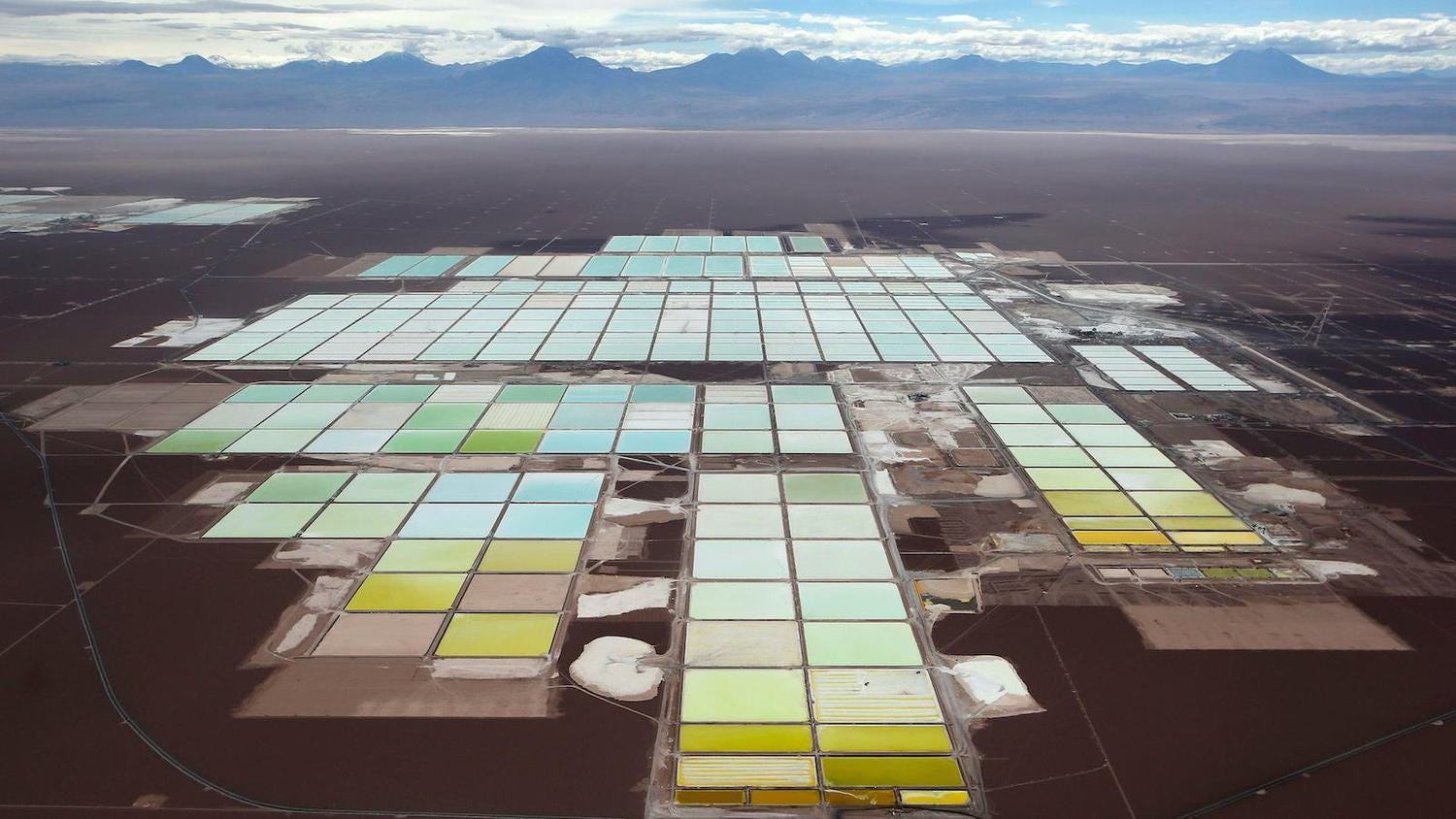
As intermittent renewable sources such as solar and wind expand, the need grows for storage systems capable of supplying energy not just for a few hours, but for several days. Lithium-ion batteries currently dominate the grid storage market, but they face structural and economic limitations beyond 4–6 hours of duration. Increasing capacity to extend duration leads to disproportionately higher costs and reduced efficiency. Added to this are concerns over safety, long-term degradation, and reliance on critical materials sourced from unstable or highly concentrated supply chains. The result is a technological deadlock: lithium remains central to short-duration applications but is unsuitable for seasonal or multi-day storage. This report responds to an urgent question: what solutions can realistically provide grid-scale storage for 100 hours or more, at sustainable costs and without replicating the constraints of lithium?
This analysis examines the potential of iron-air batteries as a viable alternative for long-duration energy storage. Readers will find a technical and economic comparison with existing technologies, a detailed evaluation of the Levelized Cost of Storage (LCOS), and an exploration of modular architectures developed by companies such as Form Energy and Ore Energy. The report assesses limitations in power density, efficiency and scalability, alongside regulatory implications, emerging business models and the conditions required to make such projects bankable. It presents a clear industrial landscape, separating rhetoric from evidence, and identifies the key indicators to watch in determining whether iron-air will become a breakthrough or a missed opportunity. This is a strategic document for decision-makers, investors and energy operators seeking clarity at a pivotal moment in the energy transition.