

The Microplastics in Your Products Are the Ones You Added on Purpose — and the EU Is Phasing Them Out on a Clock
Intentionally added microplastics face EU deadlines from 2027 to 2035. A biodegradable European cellulose bead replaces them at scale.

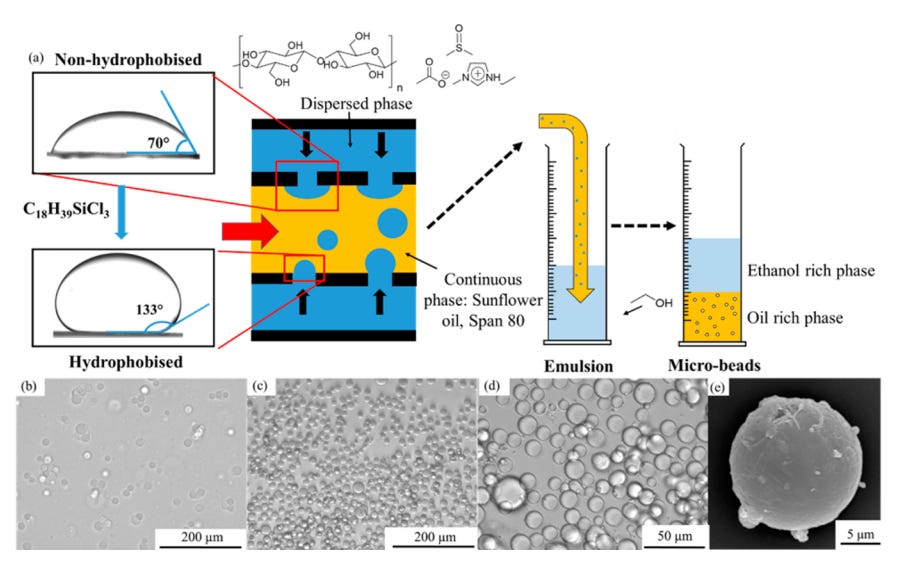
There are two kinds of microplastics. One escapes from broken-down waste and fills the news. The other is manufactured deliberately, as tiny solid particles, and added on purpose to the products you sell — the beads that give a scrub its grit, the powders that give make-up its slip, the agents that give detergents and paints their body, the coatings that meter out a fertiliser over a season. Almost no consumer knows they are there, and that is precisely why almost no company has reckoned with what is coming: the European Union is removing this second kind from the market on a fixed schedule, category by category, from 2027 to 2035 — and for colour cosmetics, from 2031, the packaging itself will have to admit, in writing, that the product contains microplastics. The deadline is not the problem. The problem is that the particle was doing a job, and until recently nothing biodegradable did it as well. That has changed, and it changed in Europe.