
Predictive Sustainability: Dynamic Digital Twins for Real-Time Life Cycle Assessment

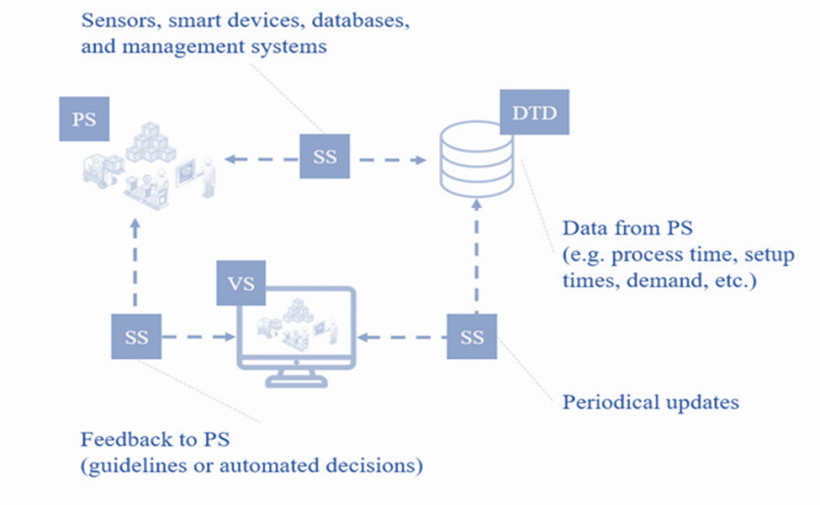
Sustainability initiatives are currently undergoing a fundamental shift due to the integration of Digital Twin technology within Life Cycle Assessment frameworks. Traditionally, these assessments relied on retrospective and static data points, which often failed to reflect the real-time operational realities of industrial processes. By creating dynamic virtual replicas that synchronize with physical assets through bidirectional data flows, organizations can now achieve an unprecedented level of environmental monitoring accuracy. This profile details how these digital models allow for a continuous evaluation of resource consumption, waste generation, and carbon emissions across the entire life cycle. The transition from backward-looking reports to predictive, forward-looking models is essential for managers and policy makers seeking to implement truly proactive sustainability strategies. This executive summary highlights the scientific principles of cyber-physical systems and their practical benefits in reducing the ecological footprint of complex systems. By leveraging the pillars of Industry 4.0, such as big data and cloud computing, Digital Twins transform environmental impact evaluations into active decision-support tools. This innovation encourages investment by providing verifiable data for ESG compliance and operational efficiency. Furthermore, it bridges the gap between digital maturity and circular economy goals by enabling more precise resource management. The following sections explore the specific technical architectures and industrial applications that define this emerging technological paradigm in the context of the global green transition.